
Blog
Stay up-to-date with the latest developments, hottest news, and all the exciting content at your fingertips.


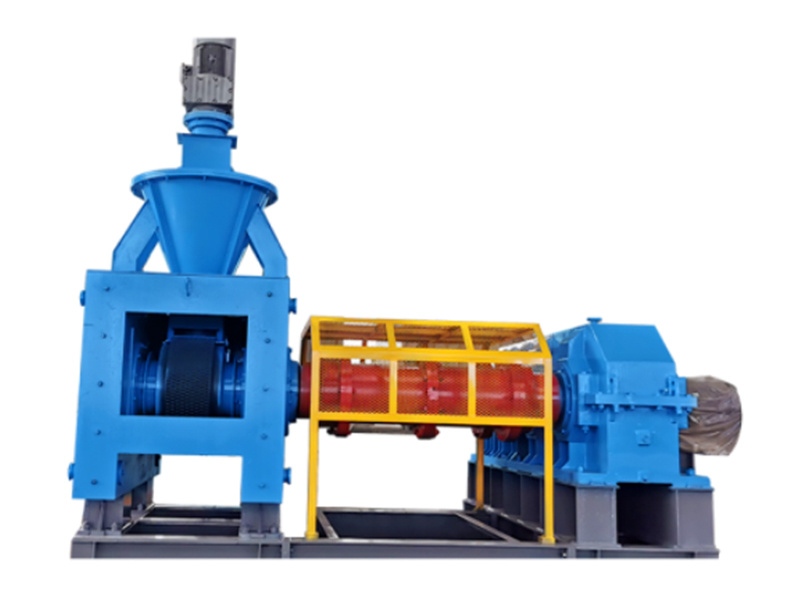
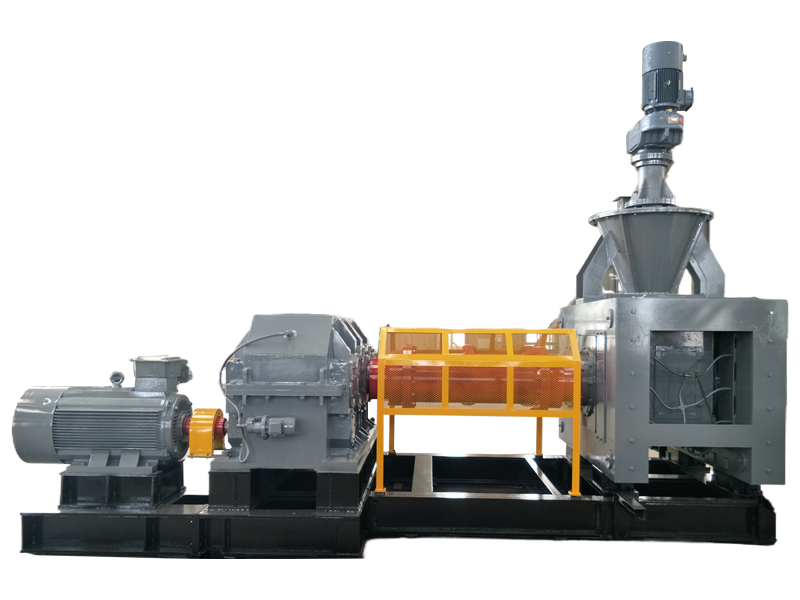
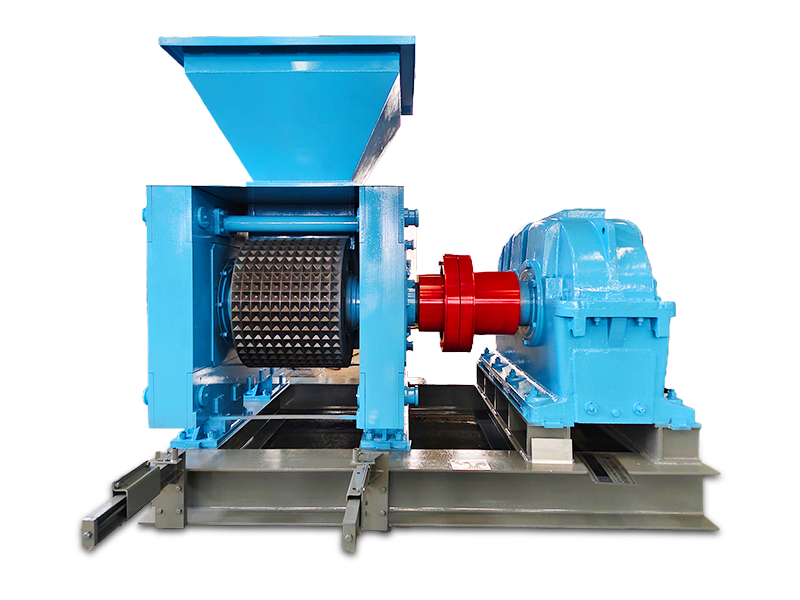
Why is the material pressed by a dry powder ball press subjected to secondary compression?
Time:Oct 09,2021
Currently, as briquetting machines have become widely adopted across various industries, knowledge about these machines has grown increasingly comprehensive. However, the pressing methods vary significantly depending on the specific type of briquetting machine being used. For instance, manufacturers using equipment like coal-briquetting machines, mineral-powder briquetting machines, or desulfurization-gypsum briquetting machines typically feed their materials directly into the machine’s hopper for a single-step compression process—quick and efficient. Yet there’s another type of briquetting machine: the dry powder briquetting machine. Unlike the previous models, this equipment follows a slightly different approach—before forming the material into compact pellets, it first subjects the powder to a secondary pressurization step. So why does this particular production method exist? And why is it essential for the materials processed by dry powder briquetting machines to undergo this additional pressure? Moreover, what are the benefits and advantages of implementing this secondary pressurization process? To answer these questions, let’s dive deeper into the details below.
During the production process of materials compacted by a dry powder ball press machine, some materials lack sufficient viscosity on their own. These low-viscosity materials are difficult to form into pellets simply by applying direct pressure through a standard ball press machine. One solution is to increase the material’s viscosity—though this requires careful selection, as there are many different types of binders available, and each binder is specifically formulated based on the unique properties of the material in question. Alternatively, another approach involves altering the material’s physical state altogether—specifically, by adjusting the density between its molecular structures. This method actually enhances the material’s natural stickiness, making it easier to compress into uniform pellets. To ensure the dry powder ball press machine operates at peak efficiency, it’s important to remember that a single pressing cycle typically doesn’t fully reshape the material’s molecular structure. Therefore, as a conservative yet effective strategy, most operators opt for a two-step pressing process—applying pressure twice—to achieve optimal pellet formation. This method strikes a balance between efficiency and reliability, ensuring consistent results every time.
That concludes our brief explanation of why materials pressed by a dry powder ball press often require a second round of pressing. Typically, when using a dry powder ball press to shape materials that are difficult to form, the secondary compression helps the particles bind together more effectively, significantly enhancing both the material’s ability to hold its shape and the overall strength of the resulting pellets.
Previous page
We provide professional briquetting machine equipment and competitive quotes.
We will contact you within 24 hours of receiving your message.
Tel:+86-13703990669
Tel:+86-18182214485
Email:sales@hongxinmining.com
Address: Longgang Development Zone, Xingyang City, Zhengzhou City, Henan Province


Email:zzhxjixie@126.com
Tel:+86-13703990669
Tel:+86-371-64696918
Address: Longgang Development Zone, Xingyang City, Zhengzhou City, Henan Province
Leave a Message
The need for specialized plant growth regulators