
Blog
Stay up-to-date with the latest developments, hottest news, and all the exciting content at your fingertips.


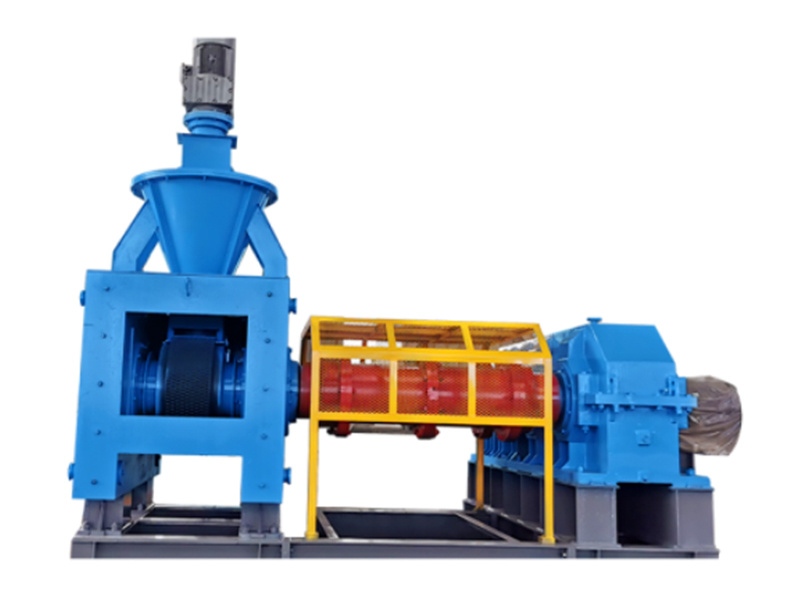
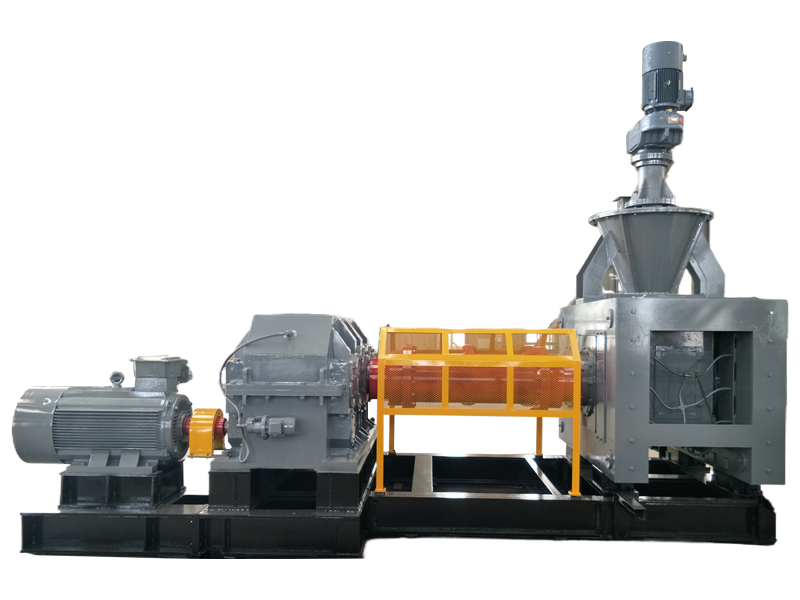
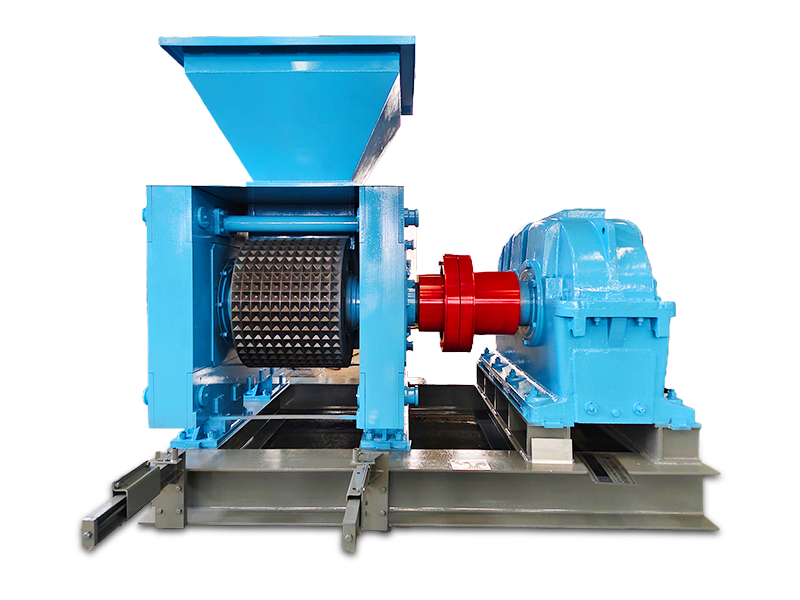
What's the difference between a briquette press and a dry powder ball press?
Time:Oct 09,2021
Ball press equipment is a relatively common type of pelletizing machinery found in today’s mechanical market. This equipment brings significant convenience to our daily lives, as different ball press models can compress various raw materials into spherical shapes, making transportation and storage much easier. However, the market currently offers a wide variety of ball press types, which can be quite overwhelming. So, what exactly are the key differences between these various types of ball presses? To address this question, today we’ll take a closer look at two particularly typical models: the "coal-based briquette press" and the "dry powder ball press," highlighting how they differ from one another.
1. Differences in Energy Consumption: The dry powder ball press machine generally consumes more energy compared to the briquette ball press machine. Therefore, manufacturers recommend using the briquette ball press machine for most materials—unless the material is exceptionally unique. This approach not only helps investors save on upfront capital costs but also leads to lower production expenses in the long run.
II. Differences in Material Application Scope – The dry powder ball press machine is primarily designed for compacting materials that contain little to no moisture, such as lime powder, cryolite, alumina, metallic magnesium, and bauxite. Of course, this type of ball press can also handle some common materials—but manufacturers do not recommend it, as explained in Section 1. However, if cost is not a concern, this limitation can be safely overlooked. In contrast, the briquette ball press machine boasts a much broader material application range, effectively handling materials like coal powder, coke powder, and semi-coke with excellent results. **Special Note:** Any material suitable for the briquette ball press can also be processed by the dry powder ball press. Conversely, though, not all materials appropriate for the dry powder ball press will necessarily work well with the briquette ball press.
3. Differences in Production Capacity — The hourly output of a briquetting machine designed for shaped coal is significantly higher than that of a dry powder briquetting machine. Therefore, unless your material is particularly unusual, manufacturers recommend choosing the shaped coal briquetting machine for optimal performance. Of course, if your material is highly specialized and difficult to form into briquettes, then a dry powder briquetting machine would be the better option. However, it’s important not to prioritize cost or production volume at the expense of quality—choosing a shaped coal machine simply because it seems cheaper could end up backfiring in the long run. Ideally, you should bring your own material—or even send samples by mail—to the manufacturer for a trial run. This way, you can directly observe how well the material forms into briquettes and make an informed decision about which briquetting machine best suits your needs.
4. Differences in Molding Pressure: The molding pressure of a dry-powder ball press is significantly higher than that of a coal-based ball press. This is why some people also refer to dry-powder ball presses as high-force or high-pressure ball presses—though hydraulic pressing is typically used, with no absolute limit on pressure. In contrast, coal-based ball presses are often called low-, medium-, or constant-pressure machines, relying instead on wedge-type pressing mechanisms (again, without strict limitations). The pressure range for coal-based ball presses usually falls between 50 and 100 tons, depending on the specific model. Meanwhile, dry-powder ball presses can generate pressures roughly 3 to 4 times higher than those of coal-based machines—and, importantly, their pressure levels can be adjusted freely to suit various needs.
We provide professional briquetting machine equipment and competitive quotes.
We will contact you within 24 hours of receiving your message.
Tel:+86-13703990669
Tel:+86-18182214485
Email:sales@hongxinmining.com
Address: Longgang Development Zone, Xingyang City, Zhengzhou City, Henan Province


Email:zzhxjixie@126.com
Tel:+86-13703990669
Tel:+86-371-64696918
Address: Longgang Development Zone, Xingyang City, Zhengzhou City, Henan Province
Leave a Message
The need for specialized plant growth regulators