
Blog
Stay up-to-date with the latest developments, hottest news, and all the exciting content at your fingertips.


Brief Overview of the Lime Powder Ball Press Machine
Time:Jul 19,2021
I. Brief Overview of the Lime Powder Ball Press Machine
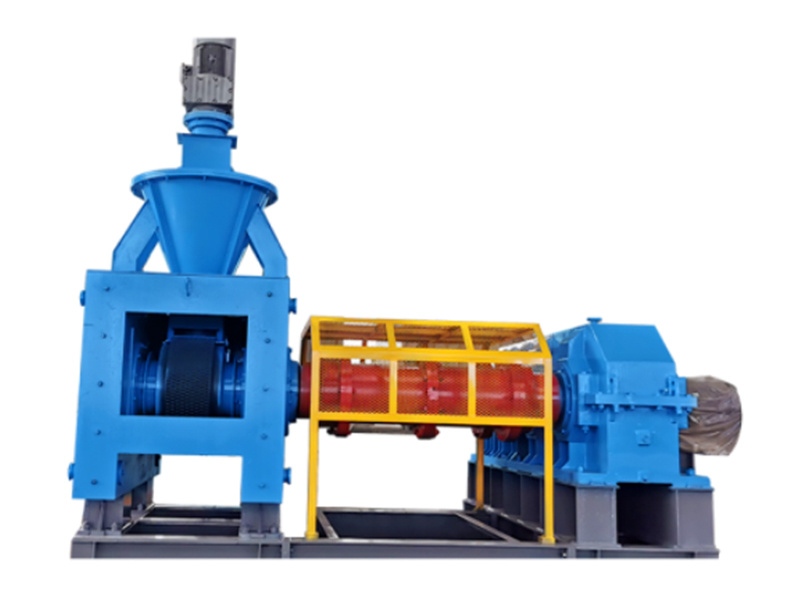
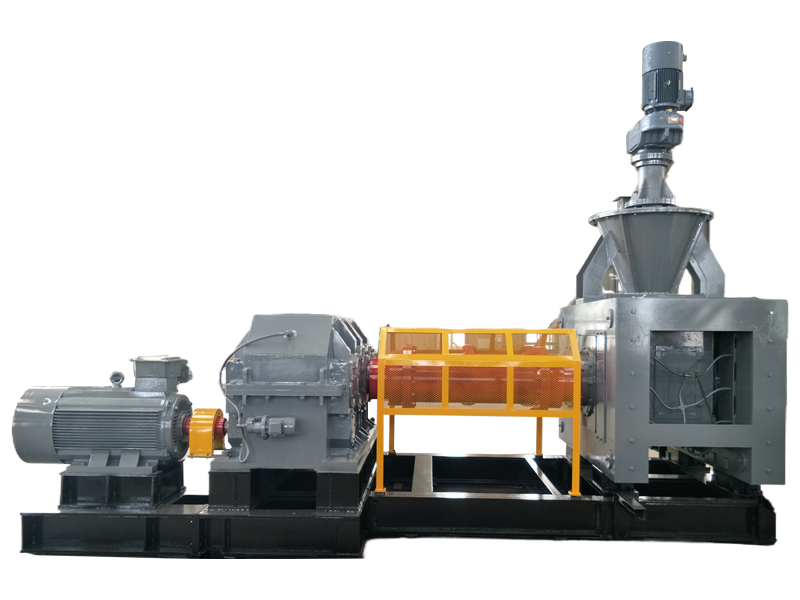
The lime powder balling machine processes raw materials directly after crushing, eliminating the need for water addition. Examples include aluminum chips, activated carbon, alumina, and quicklime. The primary goals are to reduce dust emissions, control bulk density, enable material reuse, and enhance transportation efficiency—all integral to the machine's production design.
The lime powder balling machine is primarily used for forming balls from non-ferrous and ferrous metal ore powders, which can then be directly fed into furnaces for smelting, thereby enhancing their added value. Essentially, any metallurgical industry waste or auxiliary material that needs to be fed into the furnace must first undergo the balling process using this machine. Examples include dust collection ash, slag mud, oxide scale, steel slag, iron concentrate powder, aluminum ash powder, silico-manganese ore powder, and more. This equipment is specifically designed to create high-quality pellets from various metal ore powders, enabling direct furnace processing and boosting the overall value of these materials in the metallurgical industry.
The shape of the pellets produced by the lime powder balling machine directly determines whether the material burns completely or how well it performs in terms of permeability during smelting—it plays a critical role throughout the entire process.
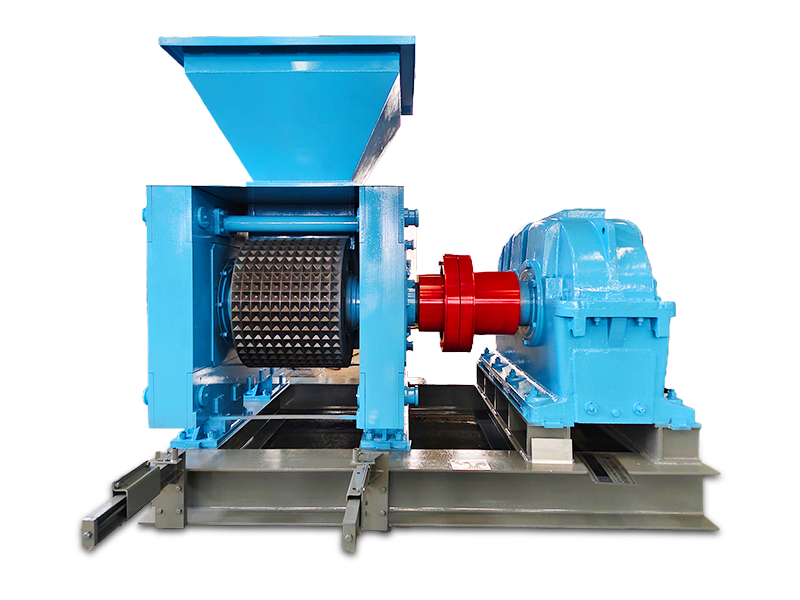
In the actual operation of lime powder balling machines, the more irregular the shape of the pellets—resembling lump coal, for instance—the better their combustion permeability and the more complete the burn. If the pellets have a multi-faceted, polygonal shape, theoretical calculations suggest they’ll have more contact surfaces and sharp edges, which naturally promote framework formation during combustion and smelting. However, manufacturing such shapes in molds is significantly more challenging, often beyond the capabilities of many companies' processing techniques. As a result, circular pellets remain the dominant choice in the market. At our factory, during our ongoing technological research and development of alloy roll production, we’ve adopted a precision casting process that forms the rolls in a single, seamless step. The materials used include a variety of advanced alloys—such as nickel, chromium, manganese, molybdenum, and titanium—which deliver exceptional properties like high strength, excellent toughness, and outstanding wear resistance. This breakthrough effectively addresses the longstanding issue of roll wear, enabling us to offer models ranging from small to large that are fully equipped with these durable, multi-faceted, square-shaped alloy rolls. As a result, users can now produce products that are not only more efficient but also easier to handle and apply in their operations.
II. Working Principle of the Lime Powder Ball Press Machine
The main unit of the lime powder ball press machine is powered by an electromagnetic speed-regulating motor, which transmits motion via belt pulleys and a cylindrical gear reducer, ultimately driving the drive shaft through a pin-and-rod coupling. The drive shaft and the driven shaft are synchronized via an open-type gear system. A hydraulic mechanism is installed behind the driven bearing housing. Meanwhile, the screw feeder is driven by the same electromagnetic speed-regulating motor, rotating through belt pulleys and a worm gear reducer to forcefully push the material into the main feed inlet. Thanks to the constant-torque characteristics of the electromagnetic speed-regulating motor, when the material flow from the screw feeder matches the amount required by the main machine, it ensures a steady feeding pressure, resulting in consistent pellet quality. If the material supply exceeds the optimal level, the feeder motor will overheat; if the supply is too low, pellet formation will fail altogether. Thus, skilled operational techniques are essential for maintaining smooth and efficient ball-pressing operations.
The hydraulic protection system of the lime powder ball press machine works by using a hydraulic pump to deliver high-pressure oil into a hydraulic cylinder, causing the piston to move axially. The front end of the piston rod rests against a bearing housing, ensuring the system meets the required production pressure. When excessive material enters between the two compression rollers, or if a metal block gets caught, the piston rod in the hydraulic cylinder experiences overloading pressure. In response, the hydraulic pump automatically shuts down, while the accumulator absorbs the sudden pressure surge. Simultaneously, the overflow valve opens, allowing excess oil to return to the reservoir, and the piston rod retracts slightly, increasing the gap between the rollers. This action enables hard objects to pass through safely, restoring normal system pressure and preventing damage to the rollers.
Previous page
We provide professional briquetting machine equipment and competitive quotes.
We will contact you within 24 hours of receiving your message.
Tel:+86-13703990669
Tel:+86-18182214485
Email:sales@hongxinmining.com
Address: Longgang Development Zone, Xingyang City, Zhengzhou City, Henan Province


Email:zzhxjixie@126.com
Tel:+86-13703990669
Tel:+86-371-64696918
Address: Longgang Development Zone, Xingyang City, Zhengzhou City, Henan Province
Leave a Message
The need for specialized plant growth regulators