
Blog
Stay up-to-date with the latest developments, hottest news, and all the exciting content at your fingertips.


Characteristics and Requirements of Forged Parts for Dry Powder Pressing Machines
Time:Nov 02,2021
What are the product features of forged parts made by a dry powder ball press machine? What are the functional applications of a dry powder ball press machine? Are there any other industry-specific requirements for this type of machine? Let me give you a detailed introduction.
Product features of the dry powder balling machine forged parts:
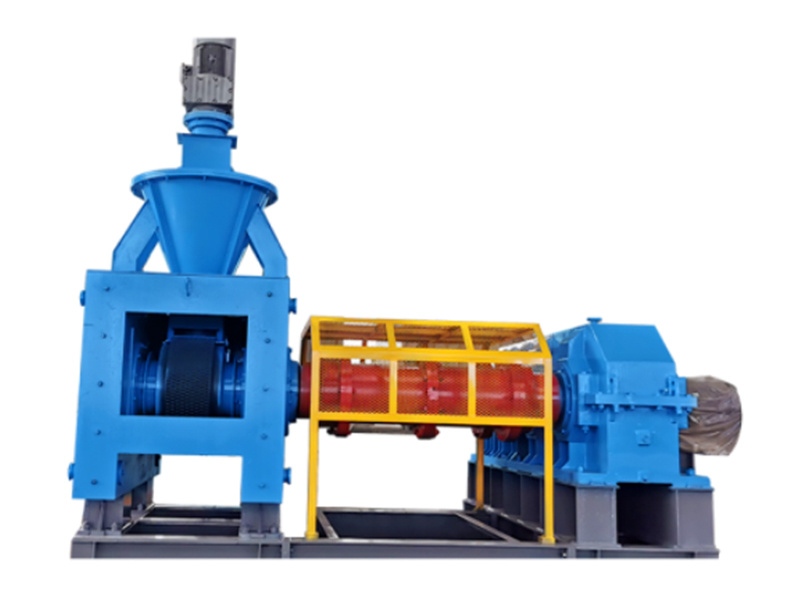
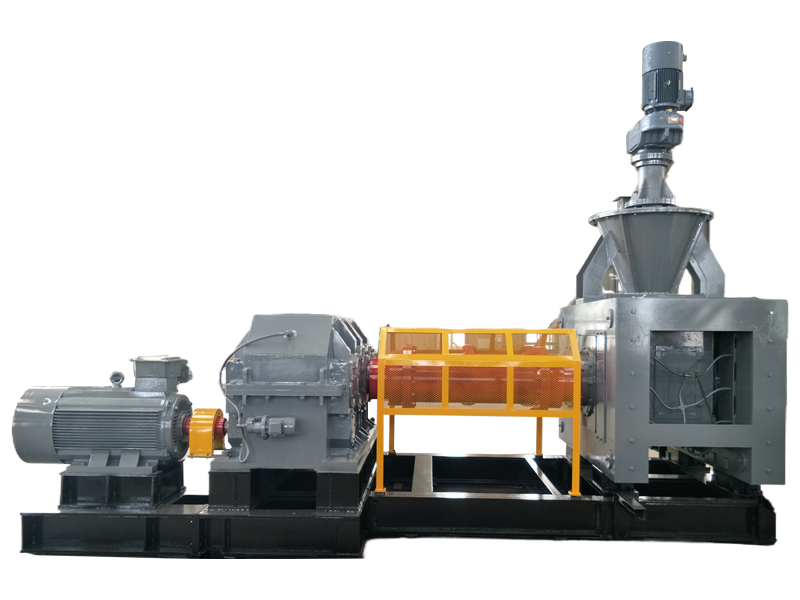
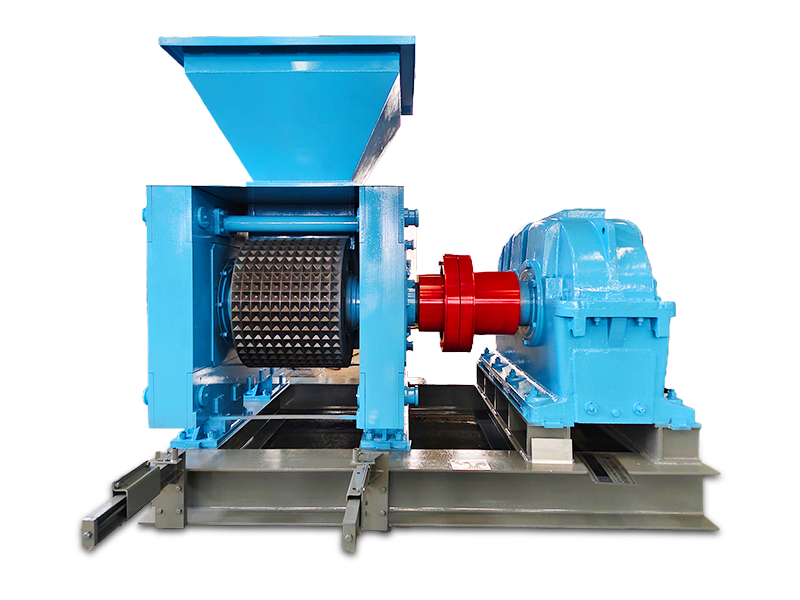
Ball press machine forgings, also known as high-force ball press machine forgings, bright powder ball press machine forgings, twin-roller ball press machine forgings, or goose-egg forging machines, are primarily used to create spherical pellets from powdered ores of both non-ferrous and ferrous metals. These pellets can then be directly fed into furnaces for smelting, helping to enhance the added value of the final product. In fact, any metallurgical industry waste or auxiliary materials intended for furnace processing must first undergo ball pressing and forging before they can be successfully utilized. Examples include dust collection ash, slag mud, oxide scale, steel slag, iron powder, aluminum powder, and silicon ore powder. A ball press machine forging is essentially equipment designed to compress powdered materials into spherical shapes. Its applications are incredibly versatile, making it suitable for compacting a wide range of materials—including aluminum chips, activated carbon, alumina, aluminum ore, caustic soda, charcoal, clay, ultra-fine scrap, coal, cryolite, fertilizers, plastics, limestone, pigments, urea, and more. The primary purpose of this process is to minimize dust emissions and precisely control material density. Notably, the production system is specifically tailored for use in the Pidgeon process—a dry-process method employed in refining magnesium—where the forged spherical pellets serve as critical raw material for efficient magnesium extraction.
Applications of forged parts from dry powder balling machines:
The forged parts for the dry powder briquetting machine include coal powder, iron powder, coking coal, aluminum powder, iron filings, iron oxide, carbon powder, charcoal powder, slag, gypsum, tailings, sludge, kaolin, activated carbon, coking coal, and various other powders, waste materials, and byproducts.
Industrial requirements for forged parts of dry powder balling machines:
1. The material particle size can range from 90 to 260.
2. Materials must not contain any metal objects. Otherwise, the surface of the roller skin could be damaged.
3. The supply must be maintained by using an adjustable-speed screw feeder, allowing you to monitor the material level and adjust the feed rate accordingly.
4. Before starting, the machine must run empty for several cycles before materials are fed in. To prevent excessive wear on the press forging components, overloading of the reducer and motor can lead to twisting of the compressor forging roll shaft.
Dry powder balling machines can be categorized into four types of pressure-based assembly methods: four-iron pressure, disc-spring pressure, and hydraulic pressure. Among these, the four-iron pressure method is currently one of the most widely used approaches for press assembly. Of these three pressure types, the four-iron press is the oldest method. Compared to the other two, however, it offers no protective mechanism for the press itself. As a result, if large metal objects accidentally enter the machine, they can easily cause direct damage to the die—this is why today, this particular pressure setup is only still employed by a few manufacturers in more affordable balling machines. On the other hand, disc-spring pressure has become the most commonly adopted method due to its robust performance. It not only allows for precise pressure adjustment but also provides effective protection for the dry powder balling machine’s die. Meanwhile, hydraulic pressure is primarily used in larger, high-capacity machines, offering an exceptionally wide range of pressure settings while maintaining strong protective capabilities. As a result, hydraulic pressure is now the most frequently utilized method across various applications.
We provide professional briquetting machine equipment and competitive quotes.
We will contact you within 24 hours of receiving your message.
Tel:+86-13703990669
Tel:+86-18182214485
Email:sales@hongxinmining.com
Address: Longgang Development Zone, Xingyang City, Zhengzhou City, Henan Province


Email:zzhxjixie@126.com
Tel:+86-13703990669
Tel:+86-371-64696918
Address: Longgang Development Zone, Xingyang City, Zhengzhou City, Henan Province
Leave a Message
The need for specialized plant growth regulators