
Blog
Stay up-to-date with the latest developments, hottest news, and all the exciting content at your fingertips.


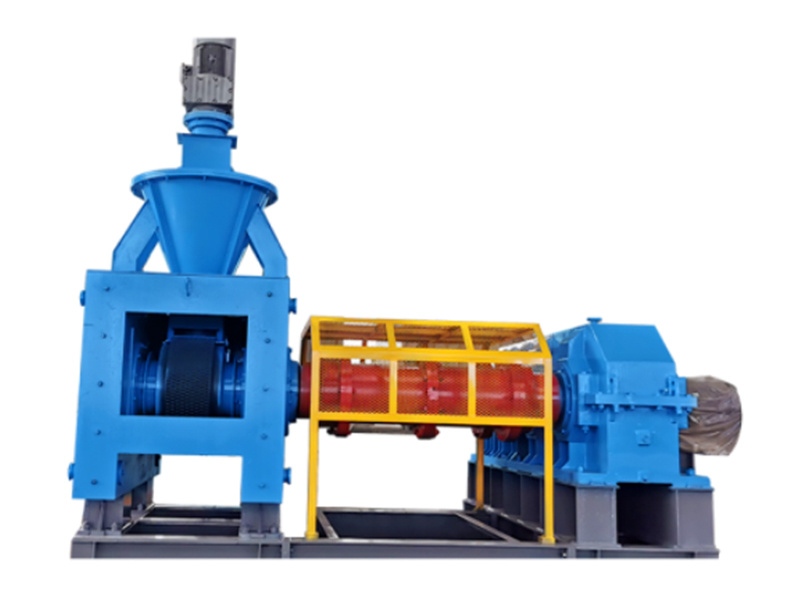
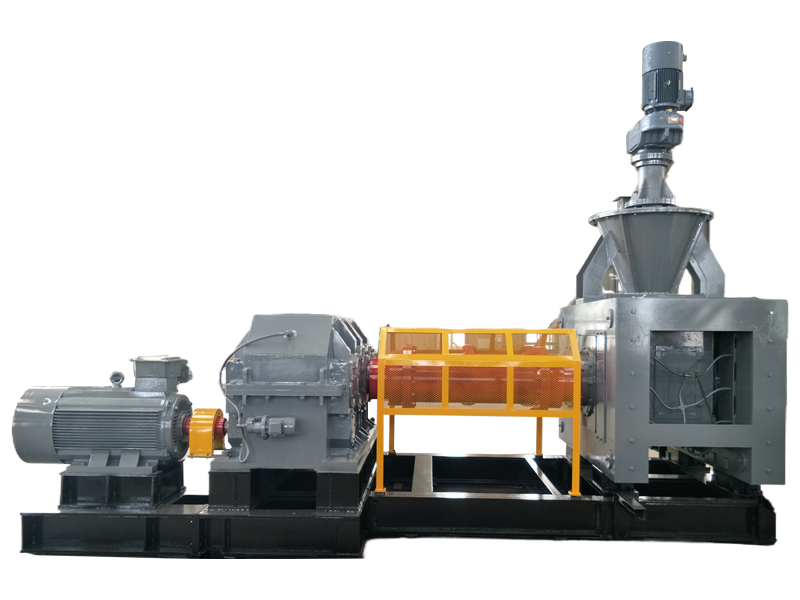
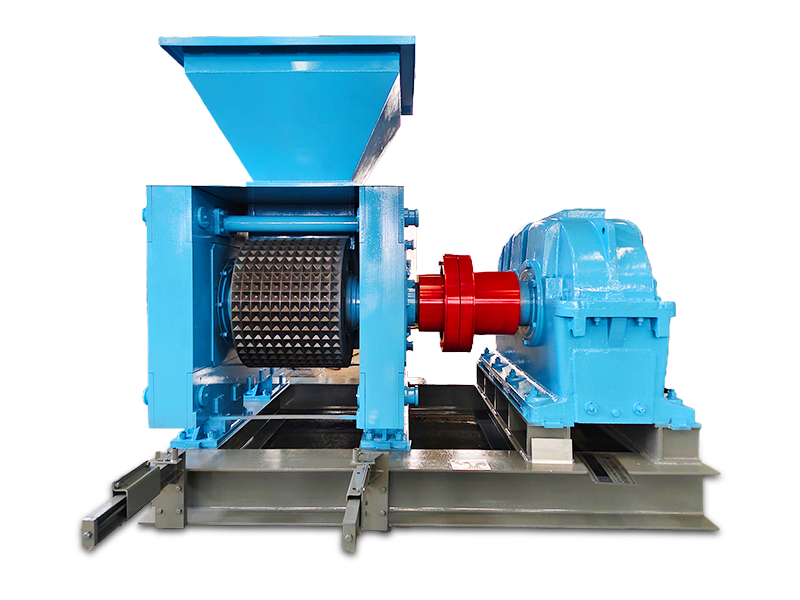
Detailed guidelines on material ratios for pelletizing machines and requirements for the materials being compressed
Time:Jun 25,2021
The ball press machine is primarily designed to compress materials that are difficult to shape, making it widely used in industries such as refractories, power plants, metallurgy, and chemical processing. By enhancing the utilization of waste materials, this equipment produces compressed products that are energy-efficient, environmentally friendly, and easy to transport. However, not all materials can be processed by a ball press machine—there are specific requirements regarding both the materials themselves and their optimal mixing ratios. So, what key considerations should be taken into account when determining the material mix for ball pressing? And what are the specific requirements for the materials being compressed?
1. Notes on Material Proportions for the Ball Press Machine
1. Control the moisture content of materials
The moisture content of the material directly affects the forming process: if the moisture level is too low, the pressed pellets are prone to cracking; on the other hand, if the moisture content is too high, the pellets turn out soft and crumbly, failing to meet the required hardness for the finished product and also making it difficult to demold. Operators can control the material’s moisture content by adjusting the amount of water added during the mixing stage or by pre-drying the material before pressing it into pellets.
2. Reduce material impurities
Excessive impurities in the material are also a key factor affecting the balling rate. This is because when the material contains too many impurities, it directly undermines the ability of binders and other additives to enhance its properties. In fact, some impurities—particularly those with higher hardness and larger particle sizes—can even cause serious damage to the briquetting machine itself. Therefore, it’s essential to assess the specific characteristics of your raw materials and decide whether pre-screening is necessary to reduce impurities in the material.
3. Select additives based on material properties
Generally, relying solely on the inherent properties of the material isn't enough to enable the pelletizer to effectively shape the material into pellets. That’s when adding a specific proportion of additives becomes essential—it helps modify and enhance the material’s characteristics, as well as unlock other desirable traits for processing. Operators must not only select the right additives based on the material and their own operational needs but also ensure they’re applied and controlled appropriately. By doing so, they can produce pellets that meet precise requirements while significantly cutting down production costs and minimizing unnecessary waste.
2. Material Requirements for Ball Pressing Machine
1. The distance of the material
The particle size of the material to be formed in the pressing machine should be between 80 and 200 mesh, ensuring uniform spacing between the material particles. This results in a denser, more compact material with improved strength after compression.
2. Purity of the material
The higher the purity of the material, the lower the content of impurities—leading to a longer lifespan for the ball press machine. Additionally, this helps prevent the formation of hollow balls in the machine, thereby boosting production efficiency. Otherwise, stones or metal particles present in the material could cause issues. Premature failure of the roller covering on the compression ball machine.
3. Moisture content of the material
Adding a certain amount of water can help improve the balling rate of dry powder materials to some extent. However, for materials that already contain a natural moisture content, increasing the water level—while boosting the balling rate—can actually reduce the strength of the resulting pellets, making them unsuitable for subsequent transportation and usage requirements. Therefore, it’s crucial to assess the specific situation before deciding whether or not to add water, and if so, how much moisture to incorporate.
4. The ratio of raw materials
The ratio and composition of raw materials directly influence the quality of material formation in the pelletizing machine. In particular, dry powder materials require careful binder proportioning before compression to ensure that particles can bond together effectively and expel trapped air.
5. Feed material before compression
Whether it's dry or wet powdered material, ensuring uniform, continuous, and stable material supply is essential to maintain the forming quality of the pelletizer. Too much material can lead to excessive feeding, increasing the motor load, while too little may result in hollow pellets being produced by the machine.
We provide professional briquetting machine equipment and competitive quotes.
We will contact you within 24 hours of receiving your message.
Tel:+86-13703990669
Tel:+86-18182214485
Email:sales@hongxinmining.com
Address: Longgang Development Zone, Xingyang City, Zhengzhou City, Henan Province


Email:zzhxjixie@126.com
Tel:+86-13703990669
Tel:+86-371-64696918
Address: Longgang Development Zone, Xingyang City, Zhengzhou City, Henan Province
Leave a Message
The need for specialized plant growth regulators