
Blog
Stay up-to-date with the latest developments, hottest news, and all the exciting content at your fingertips.


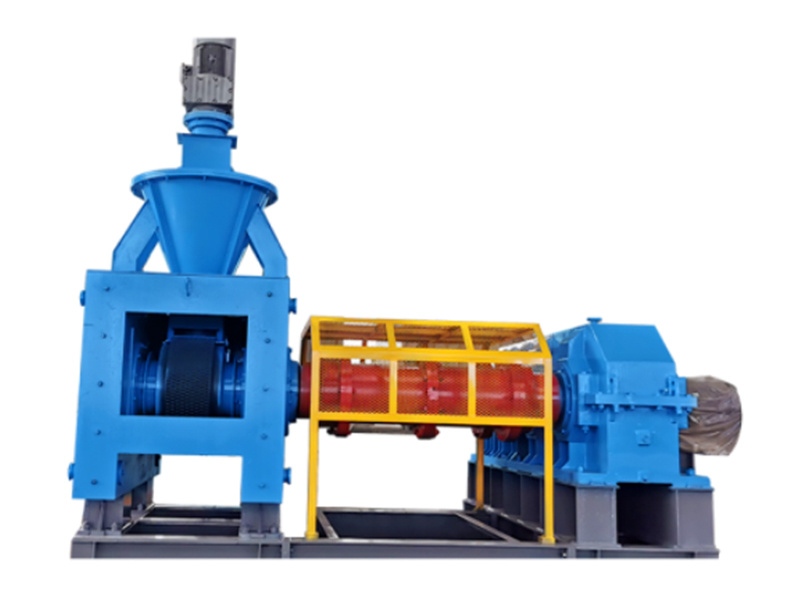
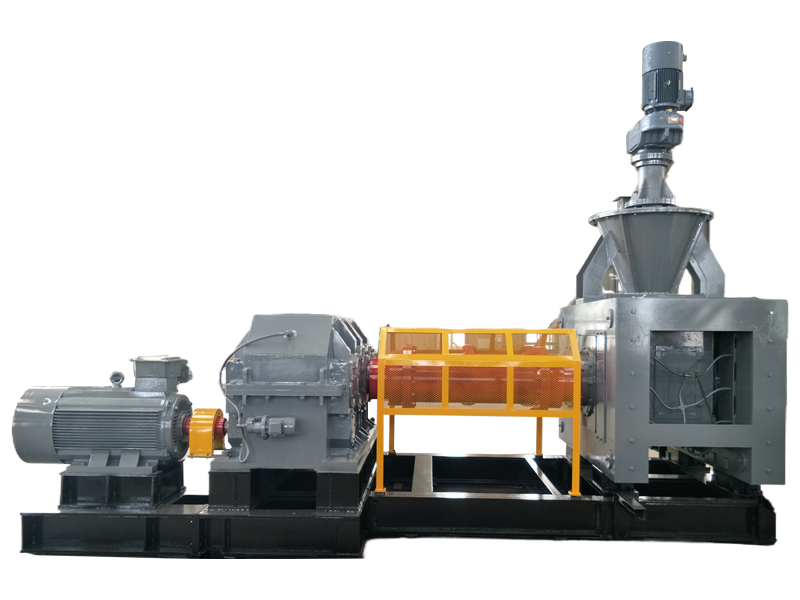
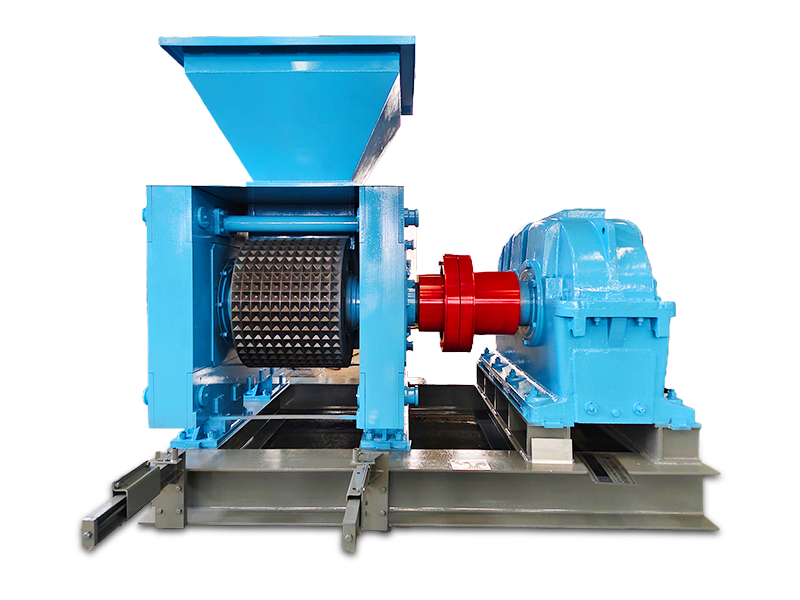
Several Factors Affecting the Ball-Forming Rate of the Pelletizer
Time:Jun 22,2021
Some ball-pressing production lines were never designed with uniform feeding in mind—instead, they rely entirely on belt conveyors to regulate the rate at which material is supplied. While operators familiar with the equipment’s performance—and whose machines run smoothly—are still able to produce合格 (qualified) balls, more often than not, production lines equipped with inconsistent feeding mechanisms tend to encounter either insufficient or excessive material delivery. Insufficient feeding frequently results in issues such as burrs, hollow balls, or weakly formed products that are difficult to mold properly. Conversely, a steady and continuous feed is crucial for ensuring consistent shaping. However, it’s important to note that if the feed rate exceeds the main machine’s capacity to process the material into finished products, it could trigger unexpected shutdowns. Therefore, the feeding rate must be carefully calibrated according to the production line’s actual output capabilities.
1. Ensure uniform feeding
Some ball-pressing production lines were never designed with uniform feeding in mind—instead, they rely entirely on belt conveyors to control the rate of material supply. While operators who are familiar with the equipment’s performance and whose machines run smoothly can still produce合格的 balls, more often than not, production lines equipped with inconsistent feeding mechanisms tend to suffer from either insufficient or excessive material delivery. Insufficient feeding frequently leads to issues like burrs, hollow balls, or weakly formed products that are difficult to mold properly. On the other hand, a steady and continuous feed is essential for ensuring consistent shaping. However, it’s important to note that if the feed rate exceeds the capacity of the main machine to process the material into finished products, it could trigger unexpected shutdowns. Therefore, the feeding rate must be carefully calibrated according to the production line’s actual output capabilities.
2. The ratio of materials to binder
Due to the inherent properties of the material, it is difficult to form even under compression. In such cases, a binder must be added—typically at a rate of 2% to 4% by weight of the material. However, the exact amount of binder required also depends on the material’s specific characteristics, so a scientifically optimized ratio is essential to both produce high-quality products and minimize costs. Additionally, uneven mixing between the binder and the material is one of the key factors affecting the forming process, making it crucial to closely monitor the blending of materials and binder during production.
3. Material Particle Size
The small size of material particles significantly affects the ball-forming rate as well. Smaller particle sizes promote tighter bonding among material particles. Ideally, about 90% of the material used for pelletizing should consist of particles smaller than 3 mm. If the material particles are too large, it leads to larger gaps between them, making it difficult to achieve proper pellet formation.
4. The moisture content of the material
During the ball-pressing process, a specific amount of water is required—since the binder must dissolve in water to ensure thorough and uniform bonding with the material, thereby enhancing the mechanical strength of the finished balls. However, if too much water is added, the ball strength will decrease. Additionally, the presence of excess water can easily lead to uneven distribution, resulting in defects or insufficient strength in the final product. Therefore, strictly controlling the water addition is one of the critical factors in maintaining high product yield.
5. Pressure Too Low
According to the equipment's general performance, the roller press can meet the balling requirements for most materials by compressing them into spheres. However, since different materials have varying physical properties, the pressure needed to form balls also differs significantly. Materials with inherently weak binding properties require much higher pressure—so if the roller press doesn’t generate sufficient line pressure, the material may struggle to maintain its shape. In such cases, a standard roller press typically falls short, necessitating the use of a high-pressure balling machine instead. High-pressure balling machines offer greater line pressure, making them particularly effective for handling special materials that are notoriously difficult to form into balls.

We provide professional briquetting machine equipment and competitive quotes.
We will contact you within 24 hours of receiving your message.
Tel:+86-13703990669
Tel:+86-18182214485
Email:sales@hongxinmining.com
Address: Longgang Development Zone, Xingyang City, Zhengzhou City, Henan Province


Email:zzhxjixie@126.com
Tel:+86-13703990669
Tel:+86-371-64696918
Address: Longgang Development Zone, Xingyang City, Zhengzhou City, Henan Province
Leave a Message
The need for specialized plant growth regulators