
Blog
Stay up-to-date with the latest developments, hottest news, and all the exciting content at your fingertips.


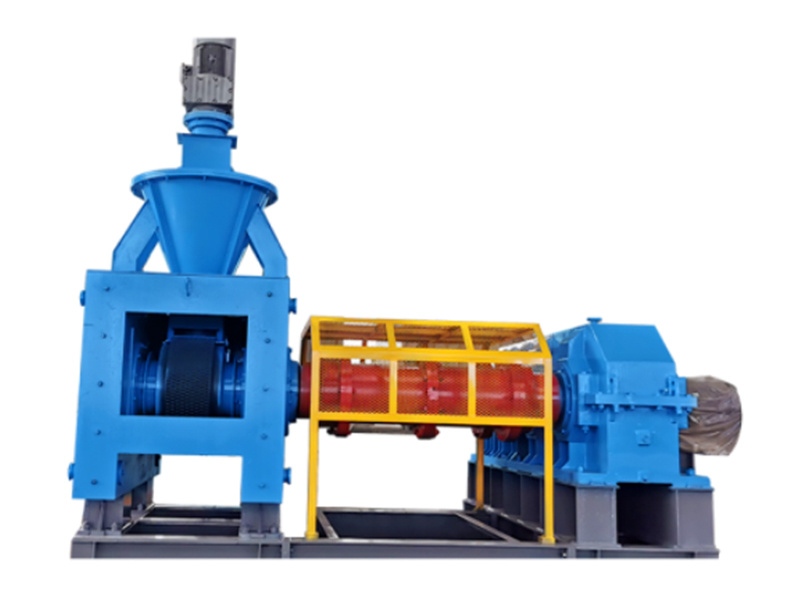
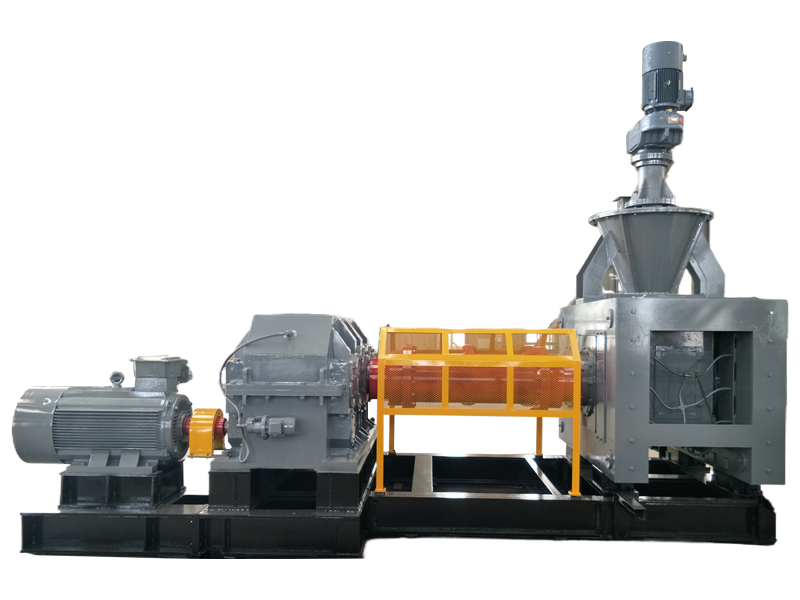
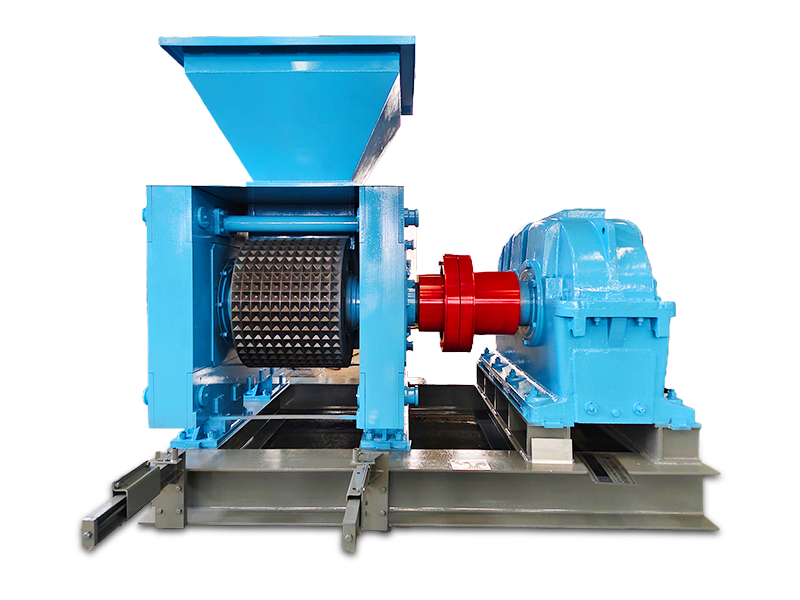
The Origin of the Roll Press Ball Machine
Time:Aug 20,2021
The Origin of the Roll Press Ball Machine
The roll press pelletizer is one of the earliest and most widely used equipment for the agglomeration method. In the metallurgical industry, there are three primary methods for producing agglomerates: sintering, pelletizing, and pressing. When using the pressing method, a certain amount of binder is typically added to the material. This technique offers a relatively broad range of applicable particle sizes and features a straightforward process, allowing the resulting agglomerates to be used directly or further processed through heat treatment. While the metallurgical performance of these pressed agglomerates is excellent, the method does come with higher processing costs. Moreover, compared to the massive quantities of iron ore fines or concentrates required for agglomeration, the production capacity of pressing equipment remains limited. As a result, the iron ore pressing method has not gained widespread adoption in the steel industry. However, in non-ferrous metal pyrometallurgical processes, both sintering and pressing are commonly employed. And in the critical area of pulverized coal compaction, the pressing method remains the sole viable agglomeration technique available today.
In March 1992, the Ministry of Metallurgical Industry approved the YB/T 019-1992 standard for roller-type high-pressure fine ore briquetting machines, clearly demonstrating that this type of equipment is widely used and highly regarded. At the same time, the development of this standard provides a unified reference framework for both the design and selection of such machinery.
In the rotary hearth furnace process, there are two types of equipment used for raw material shaping: disc pelletizers and roll press pelletizers. Among these, the disc pelletizer is relatively more mature in terms of both equipment cost and production technology. However, it produces pellets with high moisture content, requiring significant energy consumption in the subsequent drying process. Typically, bentonite is used as the binder, but after direct reduction, most of the bentonite remains within the reduced pellets, ultimately degrading product quality. Additionally, the disc pelletizer has a narrow range of applicable raw materials and lower production capacity. In contrast, the roll press pelletizer involves slightly higher initial investment and maintenance costs. Yet, it allows the use of organic binders during pellet formation, and these organic binders can even contribute partial heat during combustion while generating minimal byproducts—meaning they have no adverse impact on the quality of the final directly reduced products.
Classification and Principles of Roll Press Ball Machines
Depending on the characteristics of the materials being processed, their intended use, and the level of pressure required, roll pelletizers are categorized into low-pressure, medium-pressure, and high-pressure models. Currently, there is no unified standard defining the exact pressure ranges for these three types; instead, they are typically distinguished based on "line pressure" (which is calculated by dividing the total forming pressure—usually expressed as the total force applied divided by the width of the roller surface—by the roller width itself). Notably, high-pressure pelletizers are exclusively used in the rotary hearth furnace process today.
Previous page
We provide professional briquetting machine equipment and competitive quotes.
We will contact you within 24 hours of receiving your message.
Tel:+86-13703990669
Tel:+86-18182214485
Email:sales@hongxinmining.com
Address: Longgang Development Zone, Xingyang City, Zhengzhou City, Henan Province


Email:zzhxjixie@126.com
Tel:+86-13703990669
Tel:+86-371-64696918
Address: Longgang Development Zone, Xingyang City, Zhengzhou City, Henan Province
Leave a Message
The need for specialized plant growth regulators