
Blog
Stay up-to-date with the latest developments, hottest news, and all the exciting content at your fingertips.


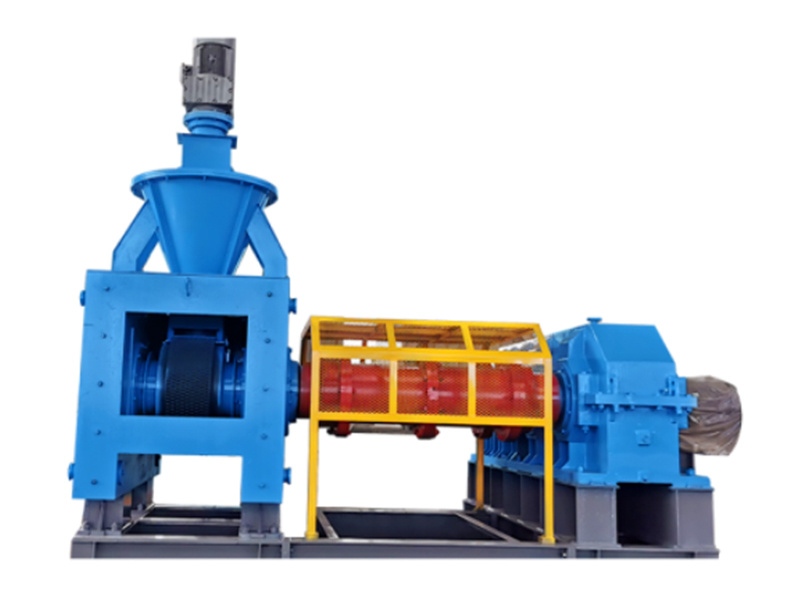
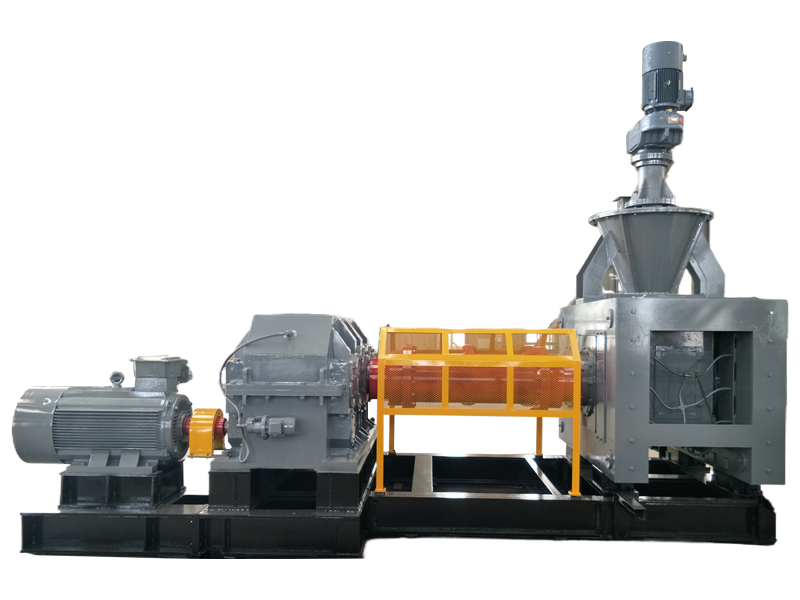
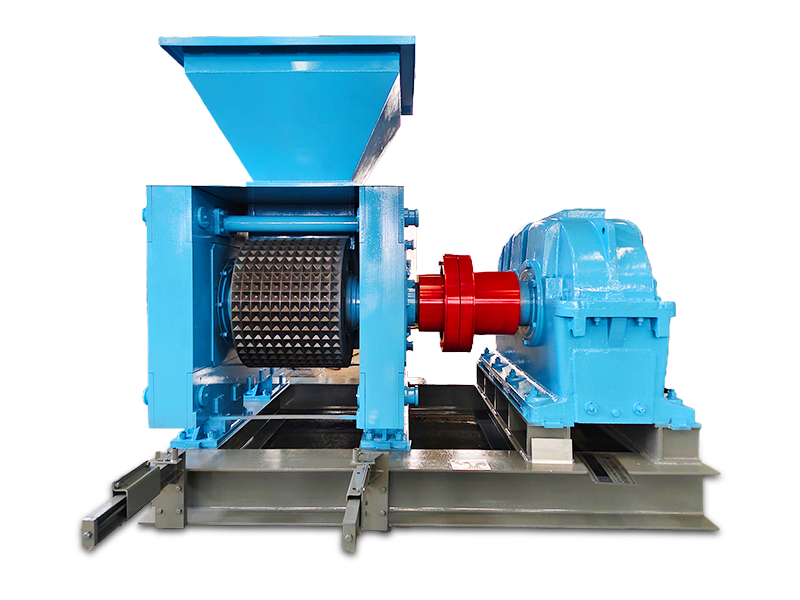
How to adjust the gap between the press rollers, ball sockets, and hydraulic system of the pellet press
Time:Jul 13,2020
Pressure roller gap adjustment: The factory setting for the pressure roller gap is typically 2 mm. If adjustments are needed on-site, follow the steps illustrated in the diagram below: 1. Turn off the machine. 2. Open the oil drain valve to relieve pressure from the oil circuit. 3. Move the movable bearing housing toward the hydraulic cylinder. 4. Remove bolt #1 to take out the adjustable shim. 5. Next, remove bolt #2 and add or remove shims #3 as required to fine-tune the roller gap.
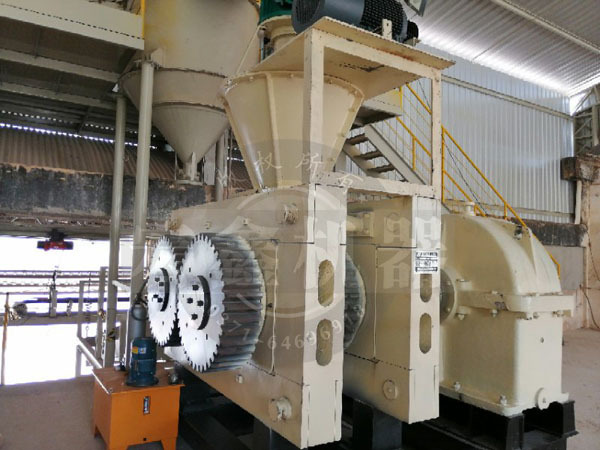
Adjusting the ball socket: The ball socket is formed by the mating of recesses on opposing roller surfaces, which inevitably leads to issues with axial and circumferential misalignment. A. Axial alignment is typically adjusted during installation and, in most cases, requires minimal further adjustment. If adjustments are necessary, simply loosen the bearing cap screws on both sides before retightening all bolts securely. B. The steps for circumferential alignment are illustrated in the diagram below: Loosen the clamping bolts securing the driven gear to the adjusting sleeve; then remove the adjusting block press plate (1) along with the adjusting block itself (3).
, rotate the adjusting bolt 4 on the adjustment pin inward or outward to fine-tune the relative position between the driven gear and the adjustment sleeve according to the actual site conditions. Once the desired alignment is achieved, insert the adjustment block 3 and securely tighten the adjustment pressure plate 2, then fasten all the clamping bolts—job completed.
Adjusting the hydraulic system pressure: Due to the varying materials being pressed, the pressure in the hydraulic system also differs. Therefore, the system pressure can be adjusted according to the actual on-site conditions. First, disconnect the system control circuit and loosen the overflow valve while simultaneously tightening the pressure relay adjustment knob. Next, reconnect the power supply to the hydraulic motor, causing the oil pressure inside the hydraulic cylinder to rise. Monitor the pressure reading displayed on the gauge, then adjust the overflow valve handle until the pressure exceeds the desired working pressure by 4–5 MPa. Once this is achieved, securely tighten the overflow valve lock nut. Afterward, re-engage the hydraulic system’s control circuit and fine-tune the pressure relay settings. The target pressure values can be set based on the readings from the pressure gauge: the high-pressure setting should be 2–3 MPa higher than the working pressure, while the low-pressure setting can be 1–2 MPa below the working pressure. Finally, once the pressure relay adjustments are complete, firmly tighten the lock nut to secure everything in place. At this point, you can open or close the system’s drain valve to verify the system’s performance. If all checks confirm proper operation, the hydraulic system debugging process is now complete.
We provide professional briquetting machine equipment and competitive quotes.
We will contact you within 24 hours of receiving your message.
Tel:+86-13703990669
Tel:+86-18182214485
Email:sales@hongxinmining.com
Address: Longgang Development Zone, Xingyang City, Zhengzhou City, Henan Province


Email:zzhxjixie@126.com
Tel:+86-13703990669
Tel:+86-371-64696918
Address: Longgang Development Zone, Xingyang City, Zhengzhou City, Henan Province
Leave a Message
The need for specialized plant growth regulators